Among these, the wear resistance of the insulation sleeve on plugs (pins) is an important factor in ensuring electrical safety.
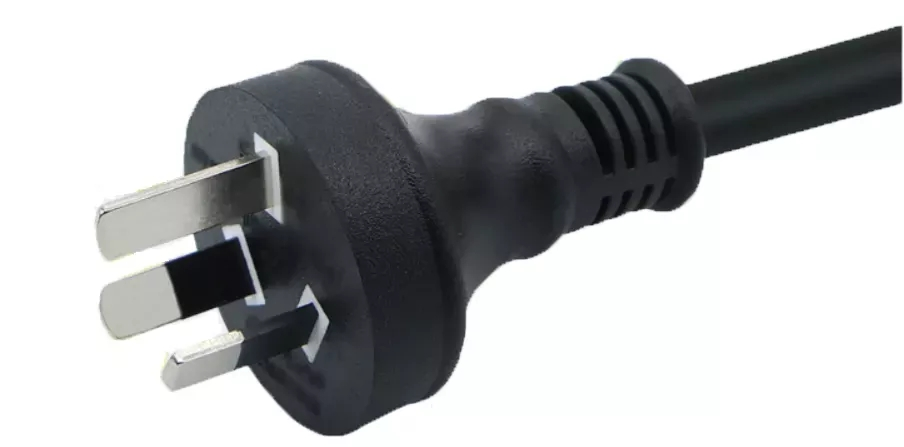
What is Wear Resistance Testing for Plug Insulation Sleeves?
Wear resistance testing for plug insulation sleeves is a specialized test designed to assess the sleeve’s ability to withstand wear and tear during everyday use. By simulating scenarios such as plugging and unplugging, friction, and other actual usage conditions, this test evaluates whether the insulation sleeve can maintain good insulating performance over time, preventing electric shock accidents.
Why is this Testing Necessary?
1. Ensuring User Safety
With frequent plugging and unplugging, the insulation sleeve may become thin or even damaged due to wear. Once the insulation sleeve loses its protective function, the internal conductive parts may be exposed, increasing the risk of electric shock. Conducting wear resistance tests ensures that the insulation sleeve can withstand long-term use, providing reliable safety for users.
For example, there was a case where a resident was using an old appliance, and due to severe wear on the plug’s insulation sleeve, they accidentally touched the internal conductive parts while plugging in, resulting in an electric shock injury.
2. Improving Product Quality
For appliance manufacturers, performing wear resistance tests on plug insulation sleeves allows for strict quality control of their products. Only plugs that pass this test can be sold on the market, enhancing the brand’s reputation and market competitiveness.
A well-known appliance brand, which strictly adhered to wear resistance testing standards during production, received high consumer recognition and saw continuous sales growth. In contrast, a smaller manufacturer that neglected this testing faced multiple safety incidents related to worn insulation sleeves shortly after their products were launched, ultimately damaging the company’s reputation and leading to its closure.
3. Compliance with Regulatory Standards
In many countries and regions, there are regulations and standards requiring plugs (pins) to pass a certain level of wear resistance testing. This is to ensure public electrical safety and maintain market order. Companies must comply with these regulations to legally produce and sell electrical products.
There was an instance where a company was fined heavily and required to recall all non-compliant products after its plugs failed wear resistance testing, resulting in significant financial losses.
How is Wear Resistance Testing Conducted?
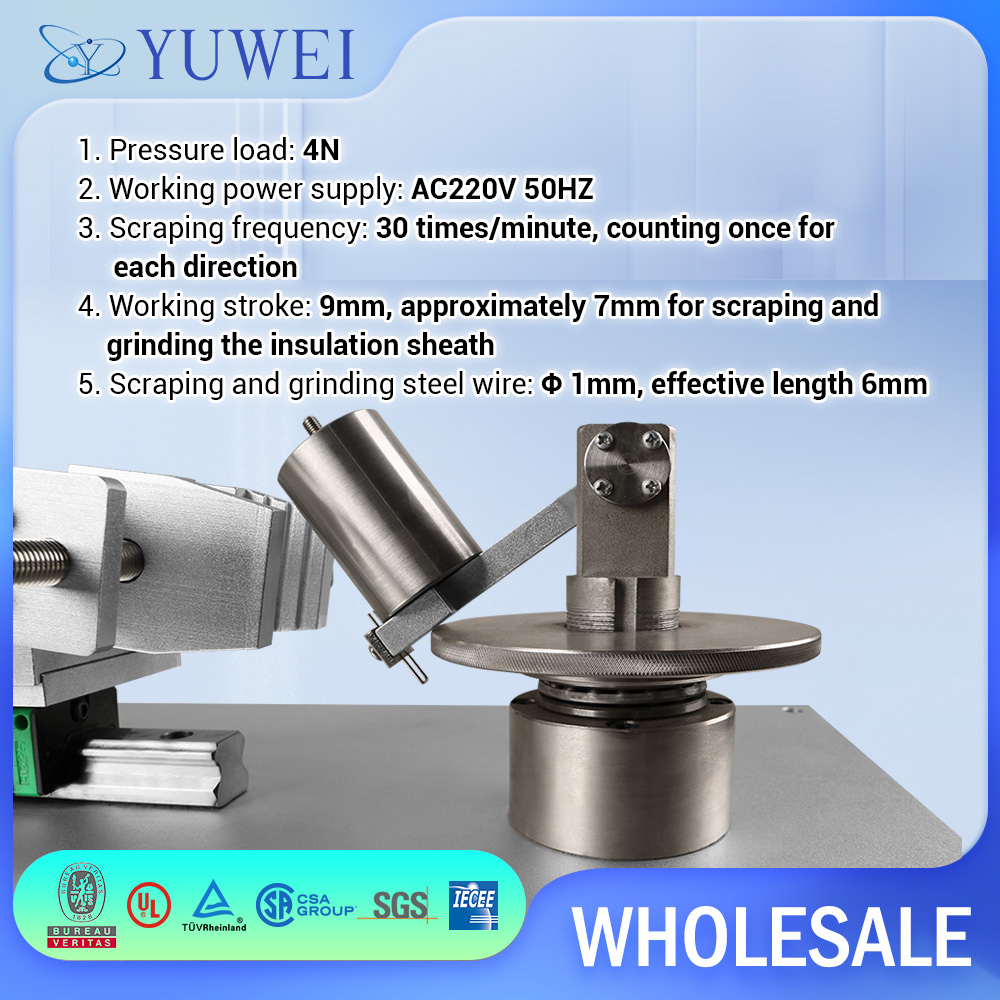
l Typically, wear resistance testing is carried out using specialized testing equipment, which subjects the insulation sleeve of the plug to repeated friction and wear.
l Testing parameters include the number of wear cycles, wear force, and wear speed.
l After a series of tests, the wear degree and insulation performance of the sleeve are evaluated.
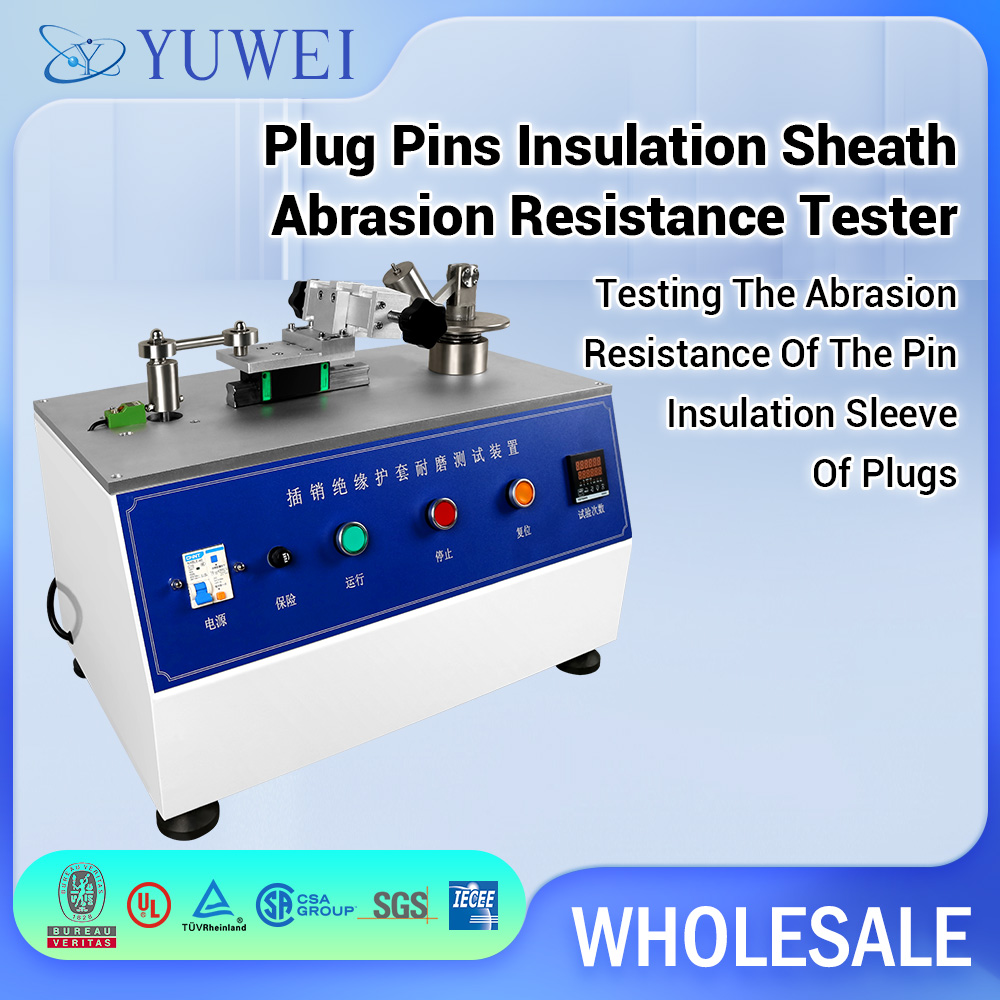
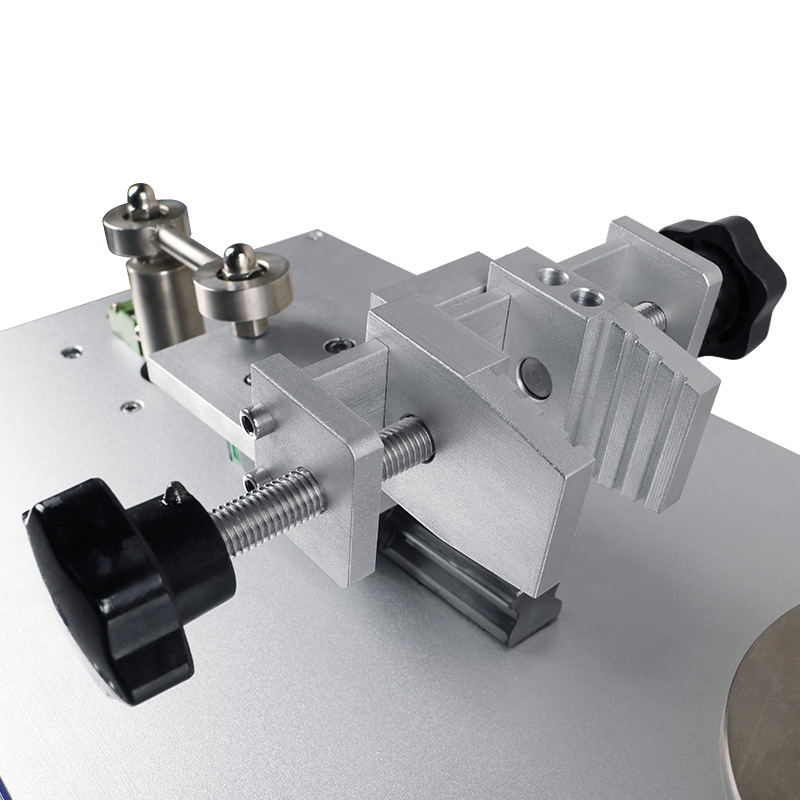
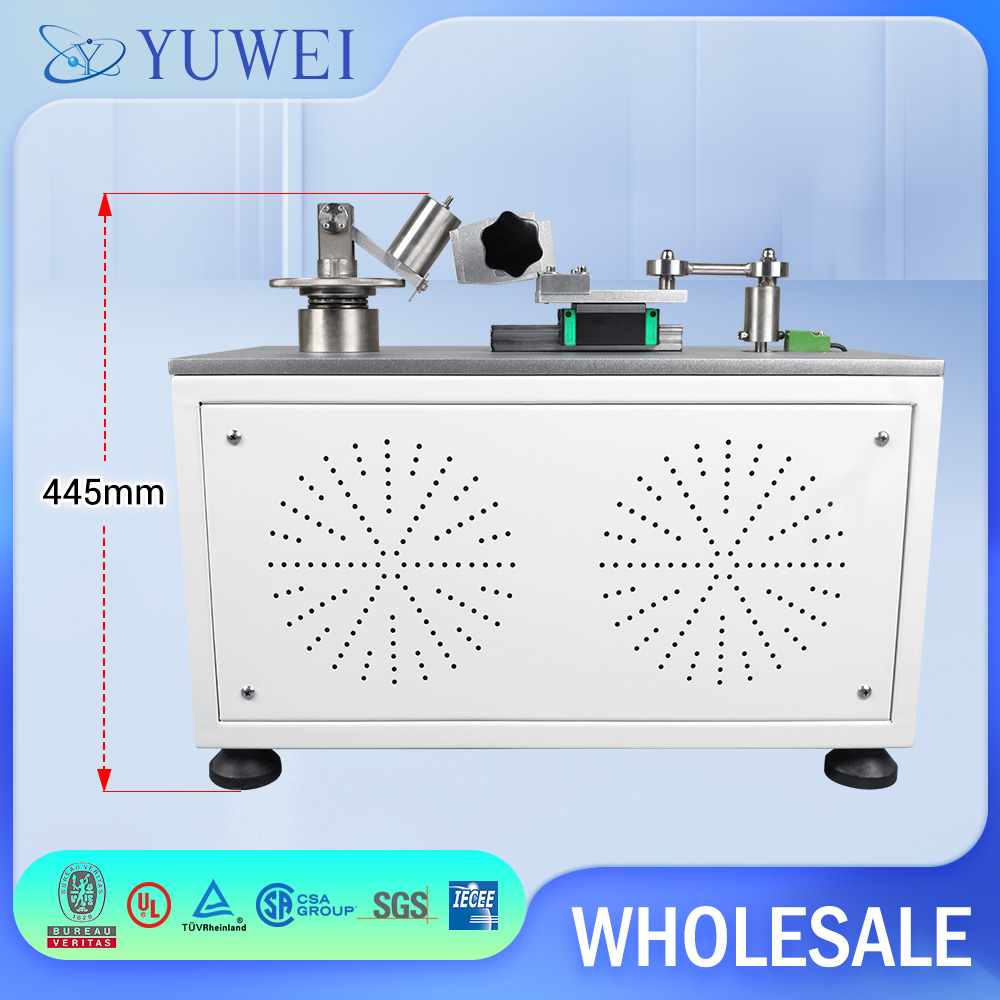
Our company recommends this Plug Insulation Sleeve Wear Resistance Tester