

Temperature Test on Household Appliances
Temperature testing is a crucial process in evaluating the safety and performance of household appliances.
This test ensures that the appliance operates within safe temperature limits during normal use and under fault conditions, preventing overheating that could lead to fires, electrical failures, or damage to the appliance.
Why Temperature Testing is Important ?
1. Safety Compliance: Regulatory standards require appliances to maintain safe temperatures to avoid the risk of burns, fires, or component failure.
2. Performance Assurance: Ensures that the appliance performs efficiently and reliably under various conditions.
3. Durability Testing: Helps assess the longevity of the appliance by testing it under stress conditions, such as prolonged use or exposure to higher temperatures.
How Temperature Testing is Conducted ?
1. Setting Up the Appliance: The appliance is set up in a controlled environment, replicating typical usage conditions.
2. Thermocouples Placement: Thermocouples or temperature sensors are placed at critical points, such as near heating elements, on the outer casing, and around electronic components.
3. Test Voltage Application: The appliance is powered on, and different operating cycles are tested. For heating appliances, maximum operational settings are often used.
4. Data Collection: Temperatures are recorded over time, with particular attention to any areas that approach critical limits.
5. Fault Condition Simulation: In some tests, fault conditions are simulated (e.g., blocked ventilation or power surges) to see how the appliance handles stress.
Evaluating the Results
Comparison to Standards: The measured temperatures are compared against industry standards and regulatory limits to ensure compliance.
Safety Margins: Adequate safety margins are required to ensure the appliance remains safe under all conditions.
Component Integrity: The test also checks for signs of component degradation, melting, or other damage caused by excessive heat.
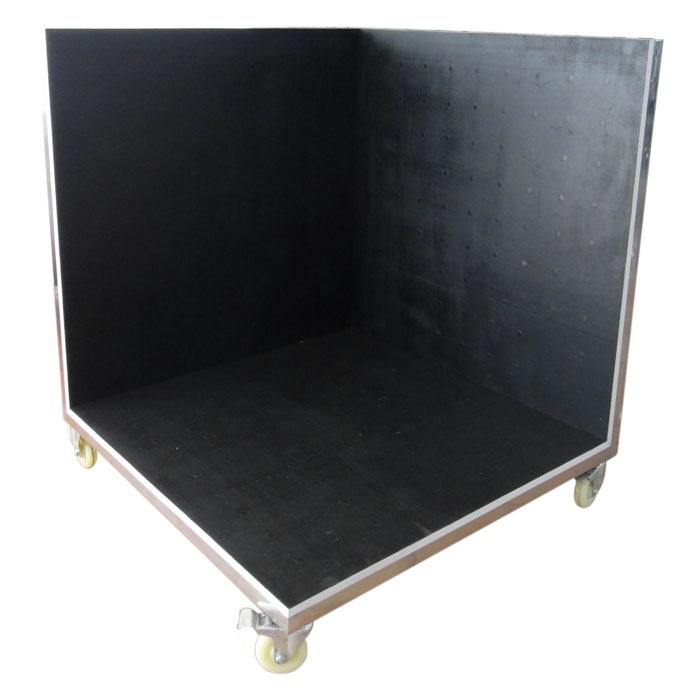
Belw is the Temperature Test Instrument of Household Appliances
Temperature Rise Test Corner
|
Can be customized with Various Dimensions |
600X600X1000mm 800X800X1000mm 1000x1000x1200mm |
Testing method:
1. Place the test sample on the test corner as required and connect it to the power source.
2. Lead the thermocouple through the wire channel to the terminals on the back of the temperature measuring instrument on the side plate.
3. Measure the temperature of each point on the current measurement surface.