

Impact testing on the heat-proof glass-ceramic surface of an induction hob is crucial to ensure the product's safety, durability, performance, and compliance with industry standards.
WHY?
Here’s a more detailed breakdown of why this testing is essential:
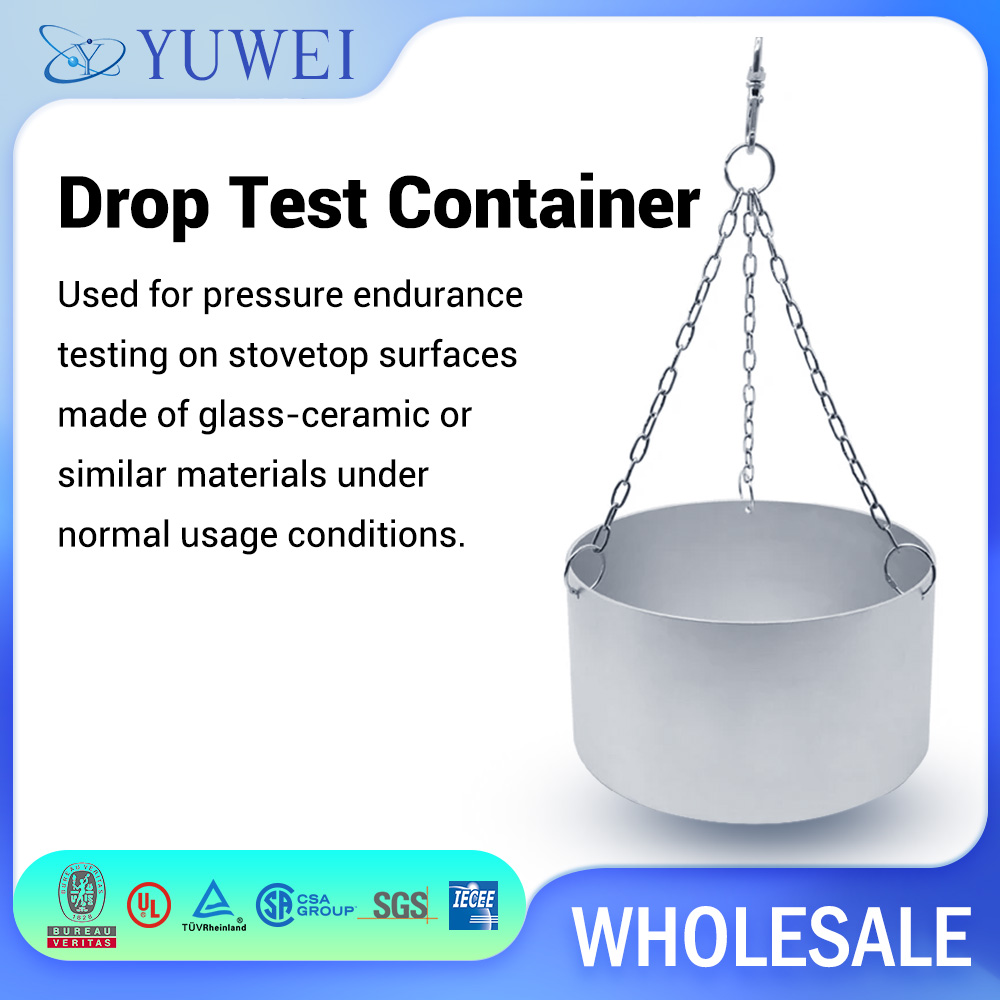
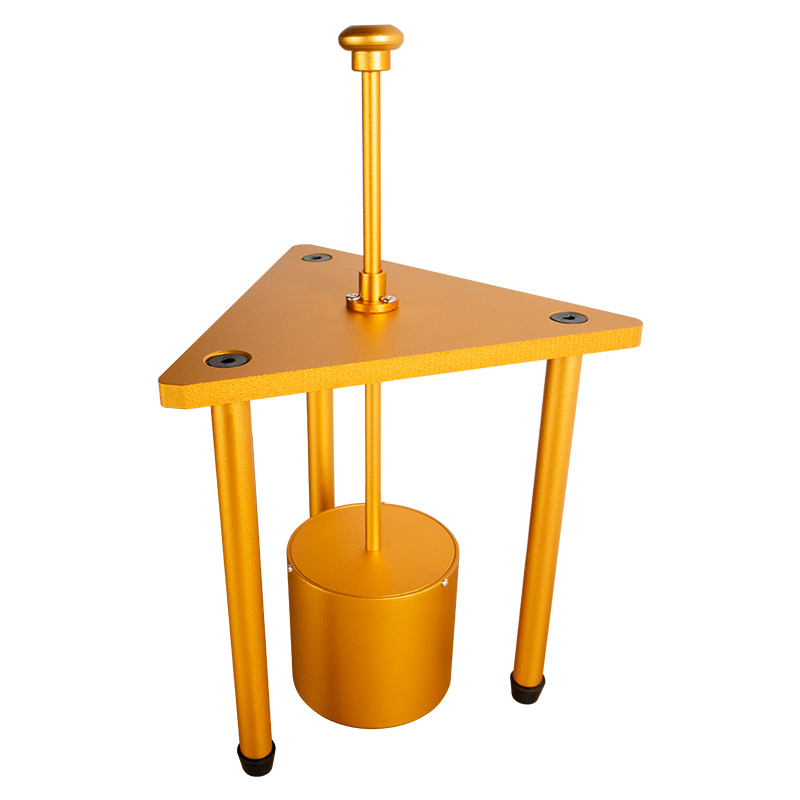
1. Safety
Preventing Shattering:
The glass-ceramic surface acts as a protective barrier between the user and the high-temperature components of the hob. If the surface were to shatter upon impact, sharp glass shards could cause serious injuries. Impact testing simulates real-world scenarios, such as accidentally dropping a heavy pot, to ensure the glass can withstand such forces without breaking.
Thermal Safety Considerations:
A compromised glass-ceramic surface, such as one with cracks or chips, can become more vulnerable to thermal stress. During cooking, the surface is exposed to rapid heating and cooling, which could exacerbate any existing damage. Ensuring the glass can withstand impact without damage reduces the risk of sudden failure during use, which could lead to exposure of electrical components or even fires.
2. Durability
Longevity Under Regular Use:
The induction hob is subject to frequent use, where pots and pans are placed, slid, or accidentally dropped on the surface. Impact testing ensures that the glass-ceramic can endure these daily stresses over many years, maintaining its structural integrity and ensuring the hob remains functional for its expected lifespan.
Resistance to Micro-Damage:
Even minor impacts can cause micro-cracks or chips that might not be immediately visible. Over time, these small imperfections can grow under continued use and thermal cycling, potentially leading to larger cracks or complete failure. Impact testing helps identify and mitigate these risks early in the product development phase.
3. Product Performance
Maintaining Cooking Efficiency:
The glass-ceramic surface is not only a protective layer but also plays a role in the hob's efficiency by facilitating even heat distribution. Any damage from impacts could affect the smoothness and flatness of the surface, which in turn could interfere with the hob’s ability to heat cookware evenly, leading to poor cooking performance.
Ensuring Aesthetic Longevity:
Aesthetics are important for consumer satisfaction. A cracked or chipped surface is not only a functional issue but also diminishes the visual appeal of the appliance. Impact testing helps ensure that the surface remains free from visible damage over time, maintaining the product's premium appearance.
4. Compliance with Industry Standards
Adherence to Safety Regulations:
Various regulatory bodies set safety standards for household appliances. For induction hobs, these standards often include requirements for impact resistance to ensure consumer safety. Impact testing is necessary to certify that the product meets these regulatory standards, which is often a prerequisite for entering specific markets.
Quality Assurance Certification:
Many manufacturers aim for quality certifications (like ISO or UL certifications) that require rigorous testing, including impact resistance. Achieving these certifications can be a critical part of the product’s marketability and consumer trust.
5. Consumer Confidence
Building and Maintaining Trust:
A product that is proven to withstand real-life usage scenarios, including accidental impacts, fosters consumer confidence. Customers need assurance that their investment in an induction hob is sound, and that the product will not fail under normal or even occasional rough handling. Successfully passing impact tests is a key factor in building this trust.
Brand Reputation and Competitive Advantage:
In a competitive market, brands that emphasize the durability and safety of their products through rigorous testing can differentiate themselves. Impact resistance is often highlighted in marketing as a sign of superior build quality, giving consumers an additional reason to choose a particular brand or model.